


An augmented reality experience that used a physical sneaker as digital platform, bringing PUMA’s LQDCELL technology to life through augmented reality interaction, movement, and content creation tools.
CLIENT
Puma
Mobile App | Augmented Reality | Game Development
Puma
LQDCELL
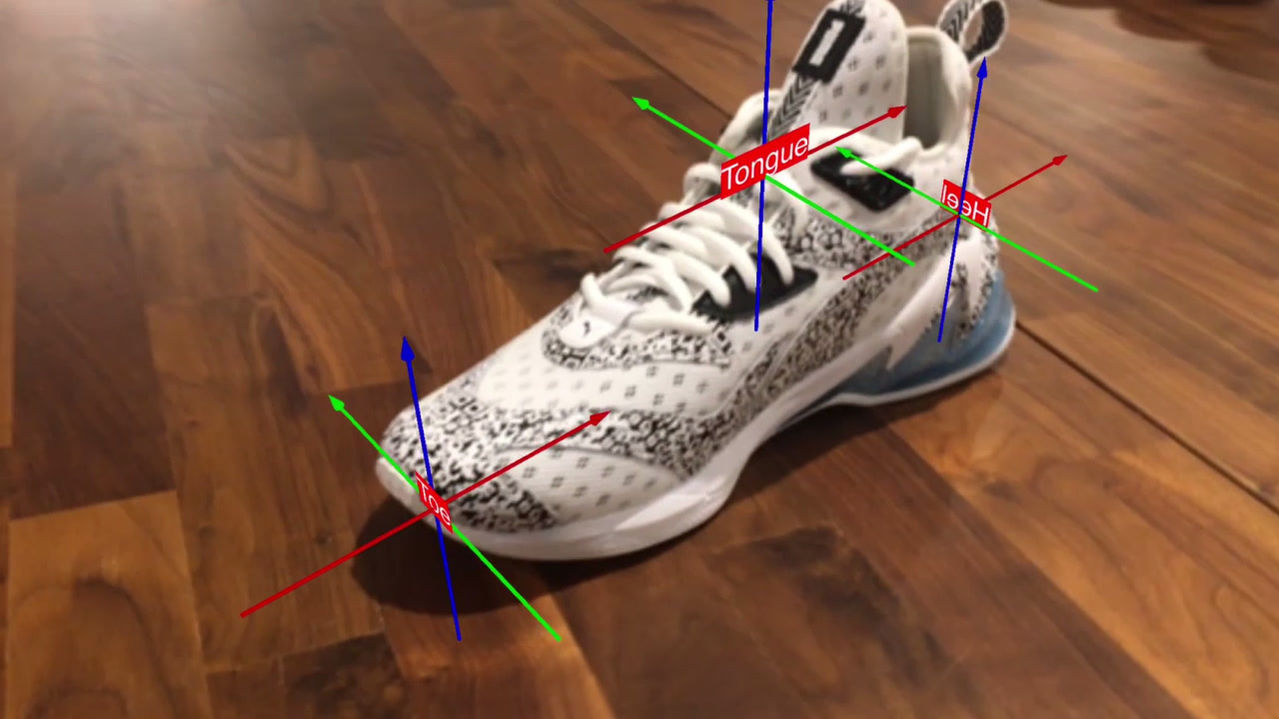
We created PUMA LQDCELL AR, an app that recognized the physical sneaker itself and unlocked a layered augmented reality experience. By scanning the shoe, users could access filters, games, and interactive moments that blurred the lines between the physical and digital product.
Our Solution
Sneaker culture has shifted from collecting to experiencing the shoes. Digitally native audiences want to interact with products, customize them, and share them. For the innovation of LQDCELL to resonate, it had to move beyond a collectors item on a shelf and become something people could activate, play with, and make their own.
Insight
PUMA was launching LQDCELL, a new performance cushioning technology wrapped in a lifestyle silhouette. While the tech represented a major evolution of the original CELL system, the challenge was introducing it to a new generation of sneakerheads with no connection to its history. Colorways and storytelling alone wouldn’t be enough to communicate innovation at this level.
Challenge

From the outset, PUMA wanted technology that connected directly to the product, instead of an experience detached from the product entirely. Early inspiration referenced embedded intelligence and product-level storytelling, but the ambition was broader: to create a system that could live in-store, support launch marketing, and extend into everyday use.
Rather than relying on QR codes or one-off activations, the experience was designed to treat the sneaker as a gateway. The shoe itself became the interface, blurring the line between physical product and digital layer.
Background


AR Filters
The LQDCELL AR filters allowed the sneaker to be a canvas for self-expression. By recognizing the physical shoe through the camera, the app unlocked a series of shareable effects that brought the product to life in real time. Each filter was designed to feel bold, playful, and instantly social, turning the sneaker into content worth capturing and sharing.


LQDash
LQDASH was a movement-based augmented reality game built to reflect the energy behind the LQDCELL technology itself. Using positional tracking, players had to move, react, and stay agile as digital elements appeared around them. The game rewarded motion over taps, making the experience physical, competitive, and fun, while reinforcing the performance DNA behind the shoe.
Inside LQDCell
Inside LQDCELL gave users a deeper look at what powered the sneaker. With an interactive 3D model, the shoe could be placed anywhere in the environment and split apart to reveal the construction, materials, and design logic behind the technology. Rather than relying on diagrams or copy, the experience let users explore the innovation visually, making complex performance tech intuitive and easy to understand.


Next Project:


INPHANTRY led the experience end-to-end, building the app entirely in-house across strategy, design, 3D, animation, and development.
Using machine learning and AR tracking, the app was trained to recognize the LQDCELL silhouette directly through the camera. Once detected, it unlocked multiple interactive modes. Users could apply expressive AR filters, explore a fully interactive 3D model that split apart to reveal LQDCELL’s construction, or play LQDASH, a movement-based AR game that challenged agility and rewarded motion.
The experience was designed around self-expression and shareability. Photo and video filters encouraged user-generated content, while the game and visual effects made the shoe feel dynamic rather than static.
Development

The launch positioned LQDCELL Origin Air as the world’s first augmented reality sneaker and quickly drew attention from both sneaker culture and tech-focused media. Press coverage highlighted the shoe recognition technology, the expressive AR filters, and the novelty of turning a physical product into an interactive platform.
Users embraced the experience as a new way to engage with footwear, generating a wave of shareable content across social platforms. The Fire Filter, in particular, became a standout moment, reinforcing the idea that innovation could be playful, visual, and culturally fluent.
Reception
Contact
BOSTON
144 Lincoln St
Boston, MA 02111
SAN FRANCISCO BAY AREA
San Jose, CA 95136